Rx Price Watch Home

Category

Savings Strategies & Discount Programs

23 articles

Mid-Year Tier Creep: How Your Insurer Can Quietly Move Your Drug to a More Expensive Category

Mid-Year Tier Creep: How Your Insurer Can Quietly Move Your Drug to a More Expensive Category

Insurance plans have broad authority to reclassify covered medications into higher cost-sharing tiers during the plan year, often with minimal notice to affected members. This practice — sometimes called tier creep — can transform an affordable maintenance medication into a significant monthly expense overnight. Learning to monitor your formulary proactively and challenge inappropriate reclassifications is among the most valuable financial skills an insured American can develop.

Stuck in the Waiting Room: How Prior Authorization Delays Turn Into Hidden Pharmacy Costs

Stuck in the Waiting Room: How Prior Authorization Delays Turn Into Hidden Pharmacy Costs

Prior authorization requirements are widely understood as a frustration, but fewer patients realize they also function as a financial trap. From emergency fills at inflated cash prices to expired prescriptions requiring costly new appointments, the economic damage of PA delays extends far beyond the waiting period itself. This article breaks down the hidden mechanics and offers concrete tactics to protect your wallet.

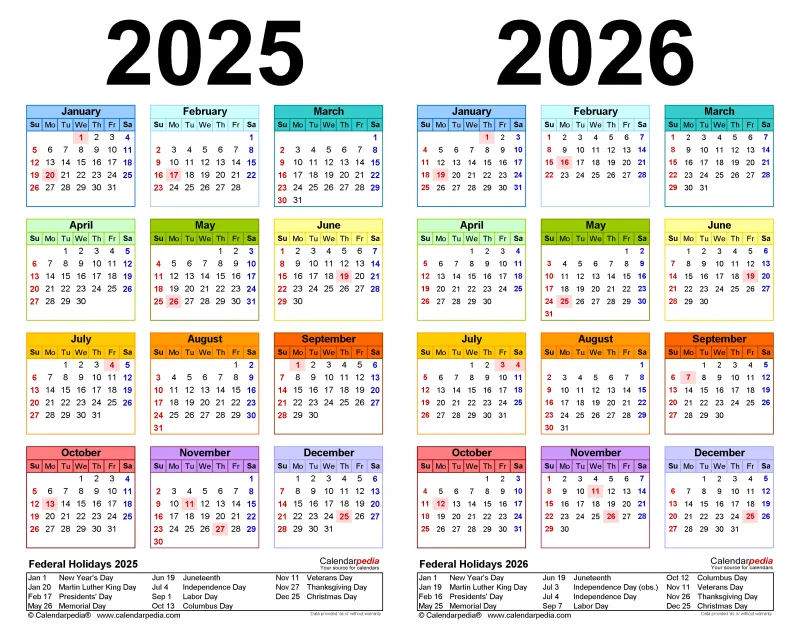
The Deductible Reset Trap: How Timing Your Prescription Fill Around Your Plan Year Can Backfire Financially

The Deductible Reset Trap: How Timing Your Prescription Fill Around Your Plan Year Can Backfire Financially

Many patients believe that filling prescriptions just before their insurance deductible resets is a smart financial move — but the math often tells a different story. Understanding how copay tiers, out-of-pocket maximums, and deductible mechanics interact can reveal that waiting a few days or weeks may save hundreds, or even thousands, of dollars annually. This guide provides a structured framework for evaluating which side of the calendar is actually cheaper for your specific plan.

Money Already Spent Isn't Always Money Gone: How to Reclaim Prescription Overpayments From Earlier This Year

Money Already Spent Isn't Always Money Gone: How to Reclaim Prescription Overpayments From Earlier This Year

Most Americans assume that once a prescription is filled and paid for, the transaction is permanently closed. In reality, a range of retroactive adjustment mechanisms, rebate recapture programs, and formal appeals processes can return hundreds — sometimes thousands — of dollars to patients who know where to look. This guide walks through the legitimate pathways available to US consumers seeking to recover overpayments on prescriptions already dispensed in the current calendar year.

The Plan Year Pivot: Engineering Your Prescription Fill Schedule Around Insurance Resets to Dramatically Lower Annual Drug Costs

The Plan Year Pivot: Engineering Your Prescription Fill Schedule Around Insurance Resets to Dramatically Lower Annual Drug Costs

Most Americans passively refill prescriptions on autopilot, never considering how the calendar alignment of their fills relative to insurance plan year boundaries affects their total annual spending. By deliberately engineering when and how you fill prescriptions around deductible resets, formulary tier changes, and coverage transitions, it is possible to reduce out-of-pocket drug costs by hundreds — or even thousands — of dollars each year. This guide provides a structured framework for evaluat

Stacking Discounts Without Burning Your Coverage: A Consumer's Guide to Combining Prescription Savings Tools Legally

Stacking Discounts Without Burning Your Coverage: A Consumer's Guide to Combining Prescription Savings Tools Legally

Manufacturer coupons, GoodRx codes, pharmacy rewards programs, and insurance benefits each promise savings on their own — but combining them is where the rules get complicated. This guide examines which discount combinations are legally permissible, which pairings can trigger claim denials or coverage loss, and how state-specific regulations add another layer of complexity for US consumers trying to maximize what they keep in their wallets.

Calendar Costs: Why the Date You Fill Your Prescription Can Swing Your Bill by Hundreds of Dollars

Calendar Costs: Why the Date You Fill Your Prescription Can Swing Your Bill by Hundreds of Dollars

Most Americans assume their prescription cost is fixed — determined by their insurance plan, their pharmacy, and the drug itself. In reality, the calendar date on which you walk up to the pharmacy counter can be one of the most consequential variables in what you actually pay. Understanding how insurance billing cycles, deductible resets, and claim processing windows interact can mean the difference between a $15 copay and a $200 out-of-pocket charge for the exact same medication.

The Calendar Cost Trap: How the Time of Year You Fill a Prescription Determines What You Actually Pay

The Calendar Cost Trap: How the Time of Year You Fill a Prescription Determines What You Actually Pay

Prescription drug costs do not remain static across the calendar year — they follow predictable seasonal patterns driven by deductible resets, insurance plan transitions, and pharmacy contract cycles. Understanding when these financial pressure points occur can help US patients time their purchases strategically and avoid hundreds of dollars in unnecessary out-of-pocket spending. This guide maps the full twelve-month prescription cost landscape and offers practical guidance for navigating it.

The Prescription Price Clock: How Short-Term Pharmacy Rate Shifts Can Save — or Cost — You Hundreds

The Prescription Price Clock: How Short-Term Pharmacy Rate Shifts Can Save — or Cost — You Hundreds

Pharmacy drug prices are not as fixed as most consumers assume — they can shift dramatically within days, sometimes even hours, based on factors most patients never see. Understanding when and why these fluctuations occur could transform the way you approach your next prescription fill. This guide breaks down the mechanics of short-term pricing volatility and offers a practical framework for timing your purchases more strategically.

VIP Pricing, Hidden Costs: How Pharmacy Membership Tiers Are Engineered to Keep You Overpaying

VIP Pricing, Hidden Costs: How Pharmacy Membership Tiers Are Engineered to Keep You Overpaying

Pharmacy membership programs promise exclusive savings, but the fine print tells a different story. From enrollment data requirements to disqualification from manufacturer assistance programs, these tiers are frequently designed to benefit the pharmacy's bottom line far more than yours. Here is what every prescription drug buyer needs to understand before signing up.

The Coupon That Cancels Your Coverage: How Manufacturer Drug Discounts Can Leave You Financially Exposed

The Coupon That Cancels Your Coverage: How Manufacturer Drug Discounts Can Leave You Financially Exposed

Pharmaceutical manufacturer coupons appear to offer immediate relief at the pharmacy counter, but the fine print can quietly disqualify you from using your insurance benefit altogether. Understanding coordination-of-benefits rules is essential before you swipe that savings card. This investigation breaks down when a manufacturer coupon genuinely saves money — and when it costs you far more than you realize.

Refill Too Soon, Pay Too Often: How Insurance Refill Windows Are Engineered to Cost You More

Refill Too Soon, Pay Too Often: How Insurance Refill Windows Are Engineered to Cost You More

Insurance plans and pharmacy systems impose refill eligibility windows that rarely align with how patients actually take their medications, creating a cycle of premature purchases and unnecessary spending. Understanding the mechanics behind these restrictions—and knowing how to push back—can save the average household hundreds of dollars annually. This guide breaks down the system and offers concrete strategies for reclaiming control over your refill schedule.

Loyal to a Fault: How Pharmacy Inertia Is Quietly Draining Your Prescription Budget

Loyal to a Fault: How Pharmacy Inertia Is Quietly Draining Your Prescription Budget

Most Americans fill every prescription at the same pharmacy they visited years ago — not because it offers the best price, but simply out of habit. A closer look at real-world medication costs across major chains and mail-order services reveals that switching pharmacies for even one or two maintenance drugs can generate hundreds of dollars in annual savings. Here is what you need to know before your next refill.

Bulk Fills, Bigger Bills: The Counterintuitive Truth About 90-Day Prescription Supplies

Bulk Fills, Bigger Bills: The Counterintuitive Truth About 90-Day Prescription Supplies

Conventional wisdom holds that buying in bulk saves money — but when it comes to prescription medications, a 90-day supply can quietly inflate your annual drug costs by hundreds of dollars. Understanding the mechanics behind dispensing quantity rules, insurance copay structures, and generic substitution windows is essential before agreeing to a larger fill at the pharmacy counter.

When Free Isn't Free: The Hidden Cost of Brand-Name Drug Coupons

When Free Isn't Free: The Hidden Cost of Brand-Name Drug Coupons

Manufacturer coupons can feel like a windfall at the pharmacy counter, but the math behind them often tells a very different story. Pharmaceutical companies deploy these offers strategically to keep patients on expensive brand-name drugs and away from lower-cost generics. Understanding how the coupon trap works is the first step toward making smarter, genuinely cost-effective prescribing decisions.

Rewarded Into Overpaying: The Real Math Behind Pharmacy Loyalty Programs

Rewarded Into Overpaying: The Real Math Behind Pharmacy Loyalty Programs

Pharmacy loyalty cards promise points, discounts, and exclusive member pricing — but a closer look at how these programs are structured reveals that enrolled customers frequently pay more than unaffiliated shoppers at competing retailers. Before renewing your membership or signing up for a new one, it pays to understand exactly how these programs generate revenue and where that money comes from.

Crossing the Border Without Leaving Home: What Medicare Beneficiaries Need to Know About International Mail-Order Pharmacy Programs

Tens of thousands of American seniors are quietly ordering maintenance medications from licensed Canadian and international pharmacies at 40 to 70 percent below US retail prices. The legal landscape is more nuanced than most people realize, and understanding what the FDA actually permits — versus what is merely discouraged — could save qualifying patients thousands of dollars annually.

The Zip Code Tax: Why Rural Pharmacy Prices Are Often Two to Three Times Higher Than Urban Alternatives

Where you live can be just as consequential as what you're prescribed when it comes to what you pay at the pharmacy counter. An analysis of pharmacy pricing patterns across the United States reveals that consumers in rural and small-town markets routinely face markups that dwarf those charged by urban chain competitors — and most of them have no idea why, or what they can do about it.